
Not Just Coexisting—Building Real Interdependence
In an age of isolation, Camp Augusta creates what’s increasingly rare: a genuine community where everyone belongs, contributes, and matters.
1
Campers Maximum
(honoring Dunbar’s number)
1
Villages
creating nested belonging
1
counselor-to-camper ratio in cabins
Every voice heard through feedback systems and staff trained to listen.
Community Matters
Modern America is experiencing a crisis of community. Social involvement is declining. Neighborhood connections are rare. We move from isolated homes to isolated cars to isolated screens.
Children grow up in this fragmented landscape, learning that “community” means liking someone’s post or being in the same class. They rarely experience genuine interdependence—where your contribution matters, where you’re truly known, where you help shape the world you inhabit.
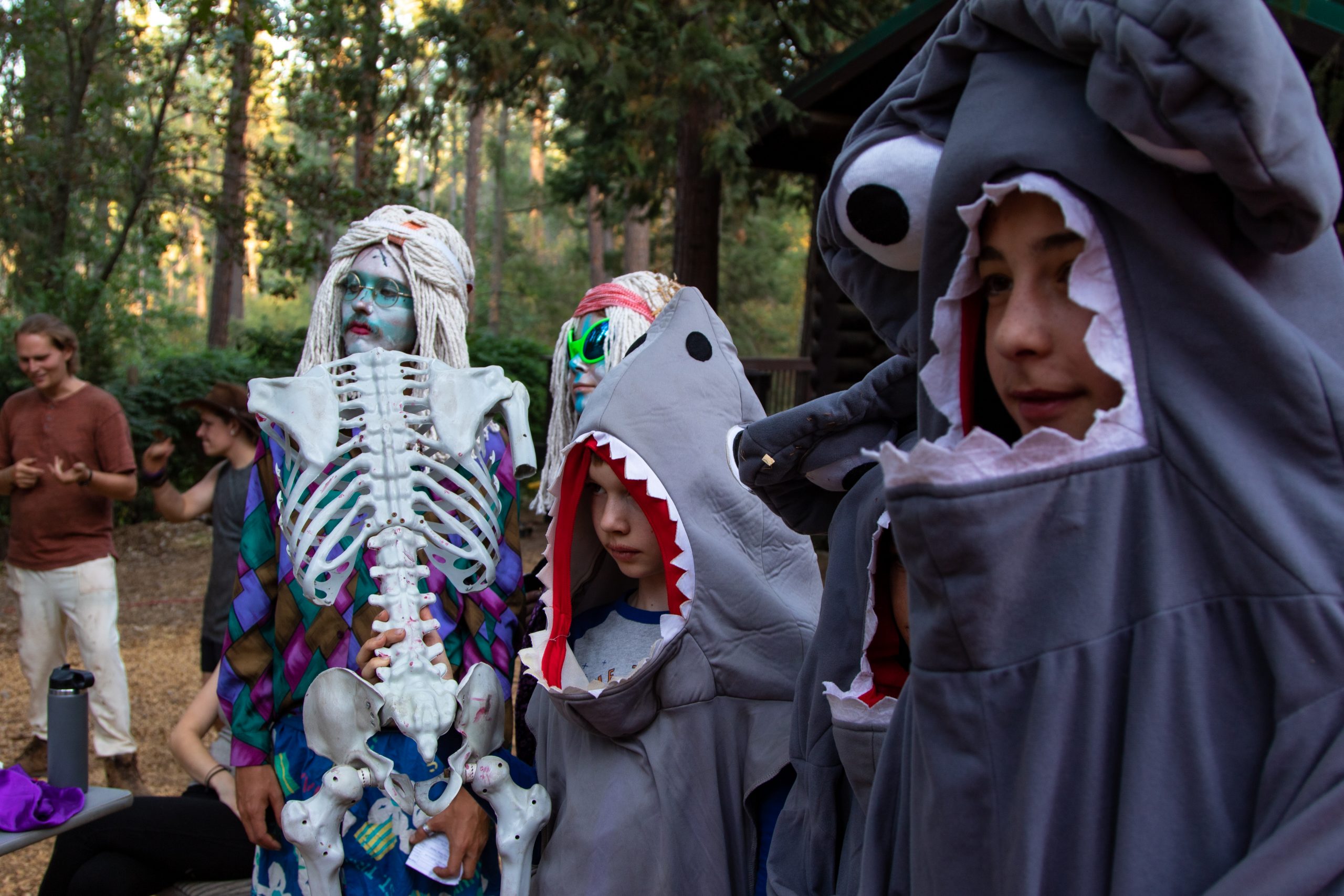
Camp Augusta is different. We’re not just a summer camp—we’re an intentional community.
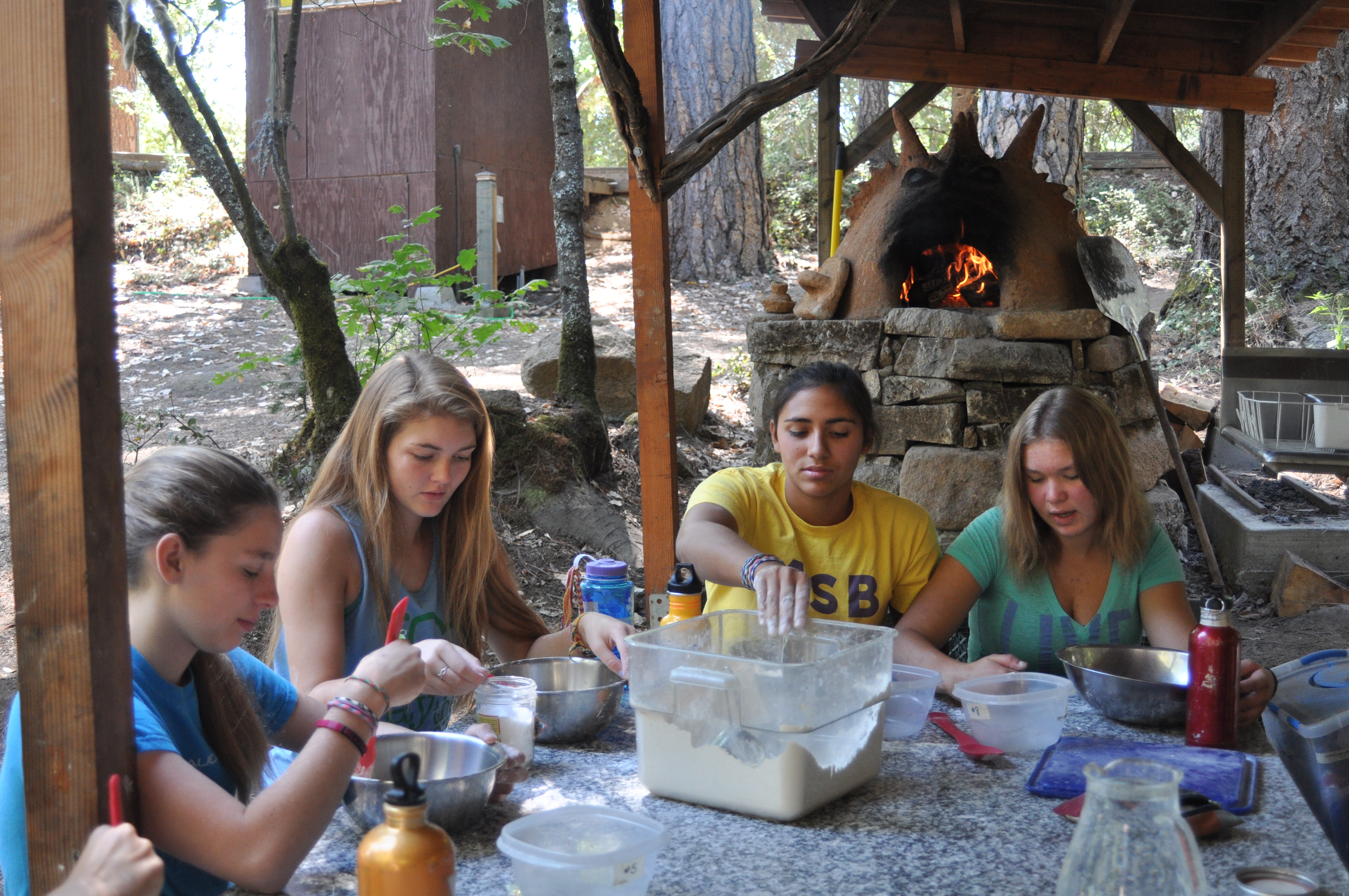
Intentional communities deliberately design their structure, values, and practices to create meaningful belonging. We’ve built ours around small size, high ratios, shared responsibility, and participatory culture. The result? A place where children (and staff) experience what real community feels like—and carry that knowledge with them for life.
This page explores exactly how we create true community: our size choices, our structure, our shared labor, our gatherings, and why it all matters.
Why 100 Campers Isn’t Arbitrary
Camp Augusta limits sessions to 100 campers. Not 99, not 125—100.
This isn’t a random capacity limit. It’s based on research by anthropologist Robin Dunbar, who discovered humans can meaningfully know about 150 people total—the cognitive limit for stable social relationships. Check out Dunbar’s book here.
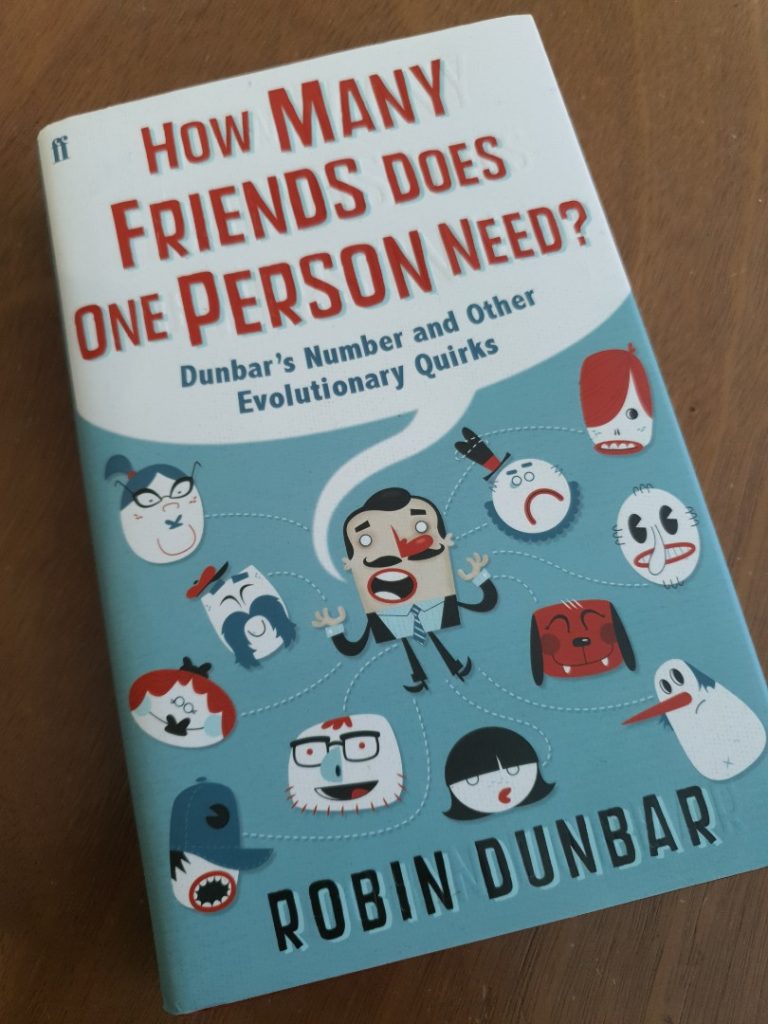
What Dunbar’s Research Shows:
Beyond 150 people:
- Communities fragment into subgroups
- Anonymity becomes inevitable
- Relationships become transactional, not personal
- The sense of “we’re all in this together” breaks down
- You become a face in a crowd, not a known individual
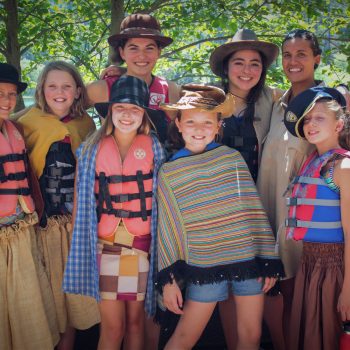
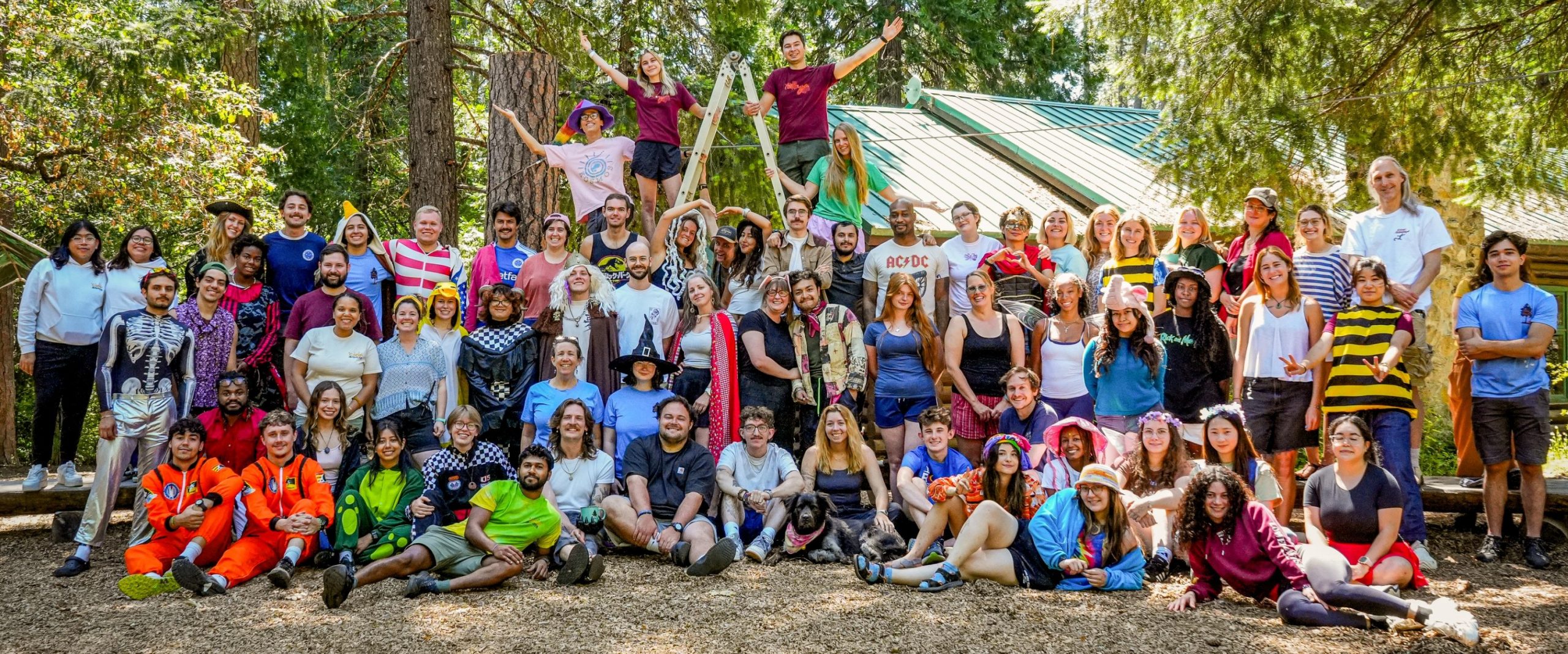
At 100 campers + 60 staff = 160 total, we’re right at this threshold. Close enough that:
- Many staff know your name and your story
- Staff recognize all campers, not just “their” cabin
- Campers encounter familiar faces everywhere
- Community feels intimate, not institutional
- No one gets lost in the crowd
What This Feels Like:
Large camps (300+ campers):
- Dining halls rumble with noise
- You see strangers constantly
- Staff don’t know most kids
- Announcements feel impersonal
- It’s easy to disappear
Augusta (100 campers):
- Meals are conversations under trees
- You recognize everyone within days
- Staff greet you by name at activities
- Community feels like extended family
- You matter, individually
We could fit more campers. We choose not to. Small isn’t a limitation—it’s an intentional design choice that makes everything else possible.
From Cabin to Village to Whole Camp
Community at Augusta operates at multiple scales, creating layers of belonging:
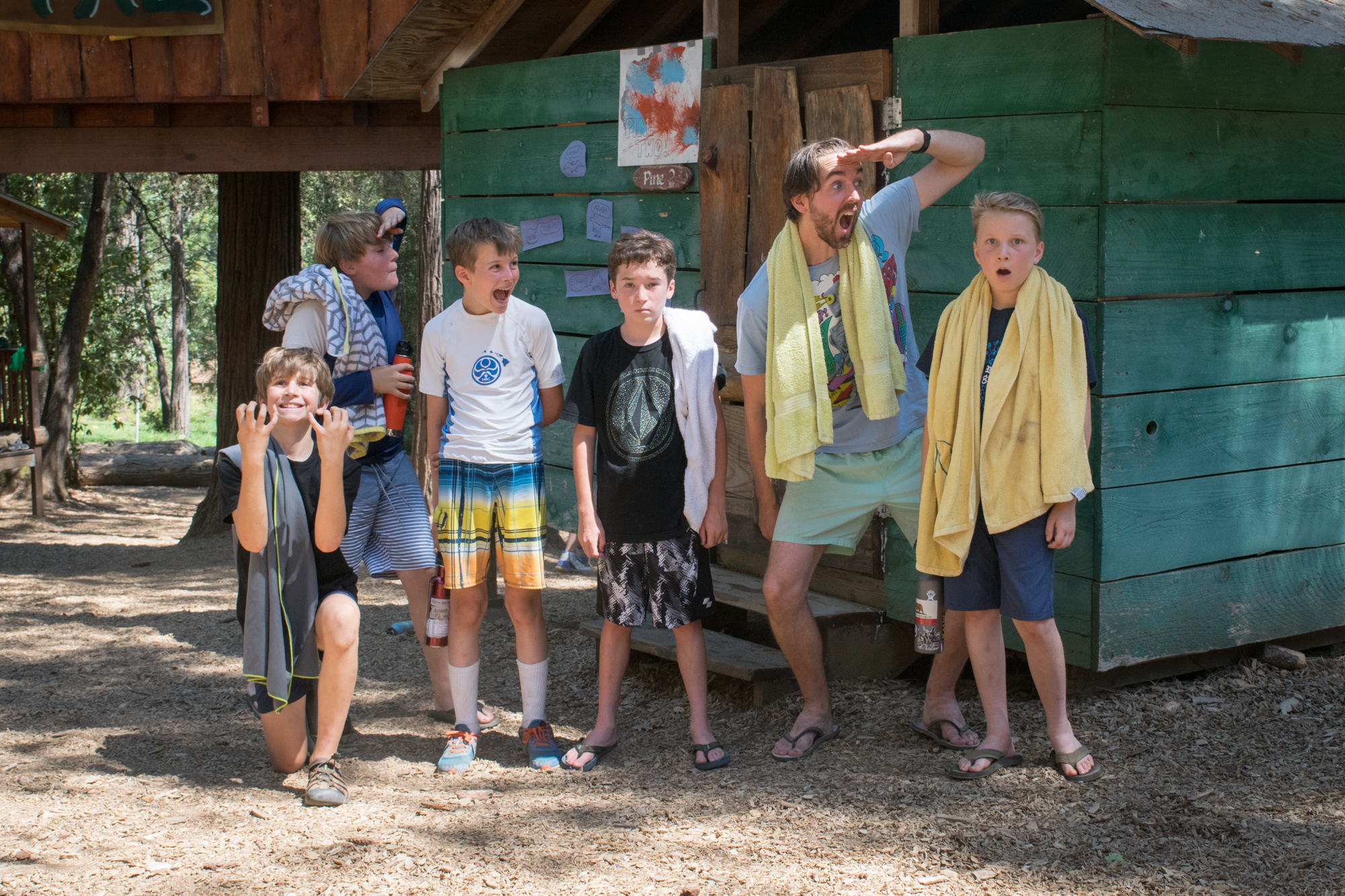
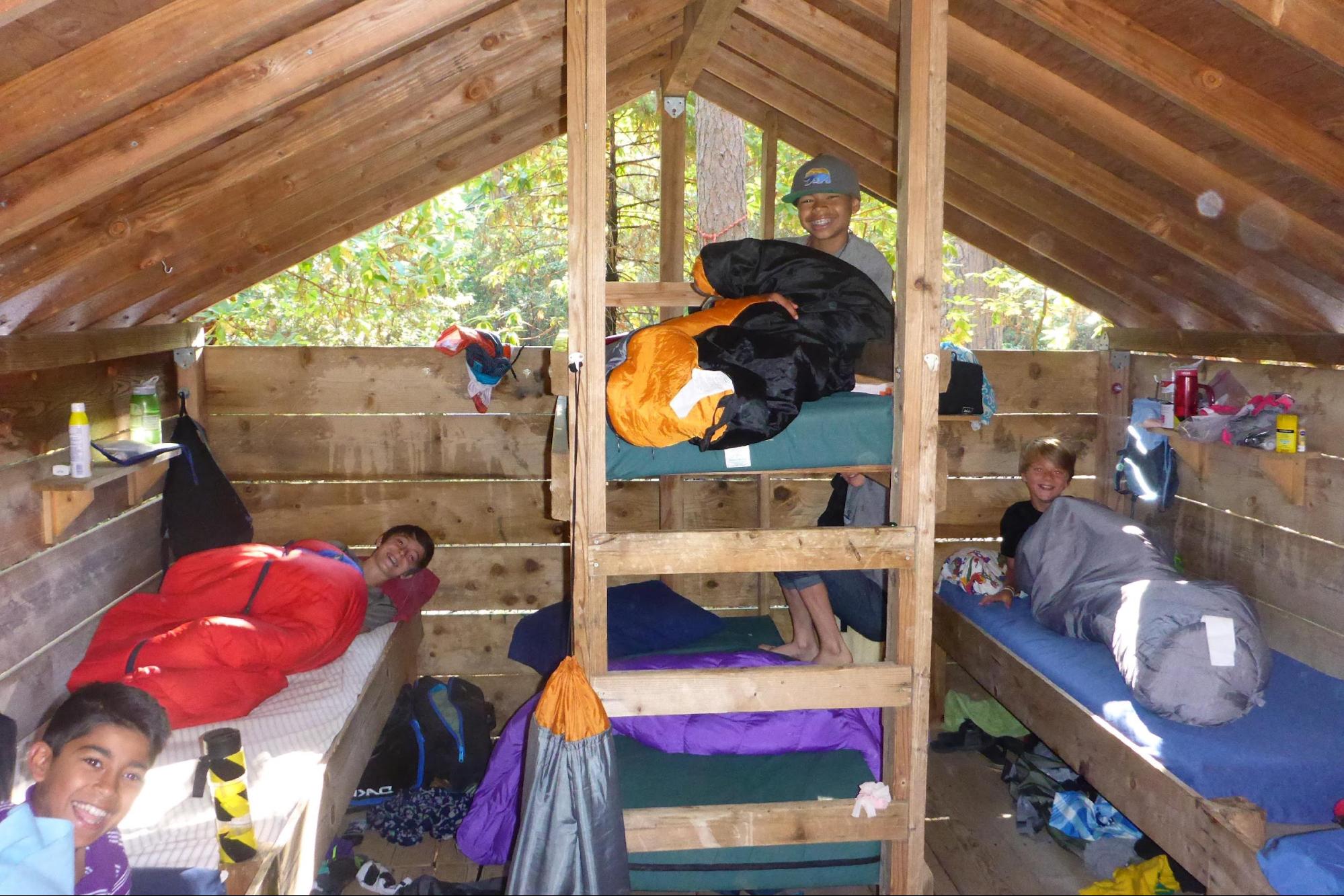
Cabin Level (5 Campers + 1 Counselor)
The cabin is your home base—your primary community within the larger community.
5 campers is small enough that:
- Everyone is seen and heard
- Friendships form naturally
- Conflicts can be addressed directly
- Shy campers aren’t drowned out
- Every voice shapes cabin culture
1 dedicated counselor lives with you:
- Sleeps in your cabin
- Knows your rhythms and needs
- Guides growth-focused evening embers conversations each night
- Facilitates magical cabin activities
- Creates your hand-painted wookie
This ratio means your counselor isn’t stretched thin across 8-10 campers like at other camps. They can truly know and support each person.
Village Level (4 Cabins)
Cabins are grouped into four villages by age and gender:
- Manzanita (younger girls)
- Pine (younger boys)
- Cedar (older boys)
- Oak (older girls)
Each village has a village leader—essentially “the counselor to the counselors.” Village leaders:
- Support and mentor the counselors in their village
- Help with behavior guidance and challenging situations
- Facilitate village gatherings (like wookie presentations)
- Coordinate logistics and cabin activities
Village gatherings create belonging at this middle scale:
- Wookies are presented at village gatherings before closing campfire
- Village leaders know all ~25 campers in their village personally
- Campers see how other cabins operate and bond

Whole Camp Level (100 Campers + 60 Staff)
The entire community comes together regularly:
- Opening Ceremony (first day on the field—all staff introduce themselves)
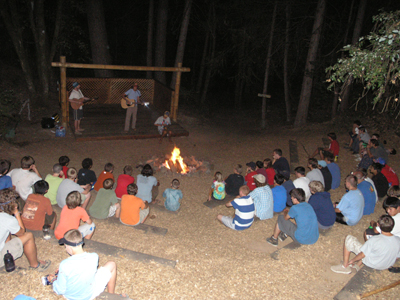
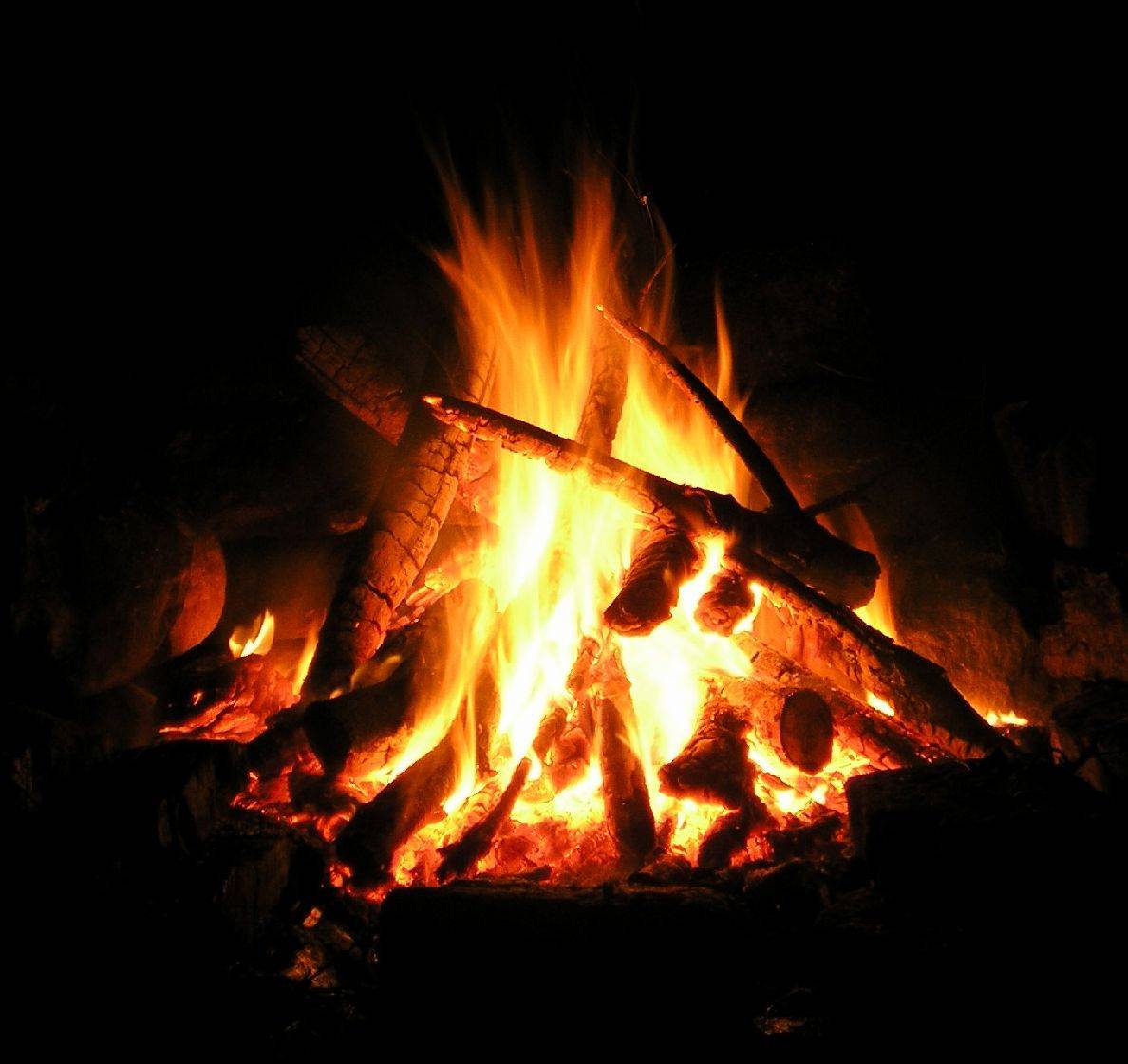
- Opening Campfire (every camper adds a stick to the fire, shares name + what they’re looking forward to)
- Meals (everyone eats outside together at picnic tables)
- Evening Programs (whole-camp adventures)
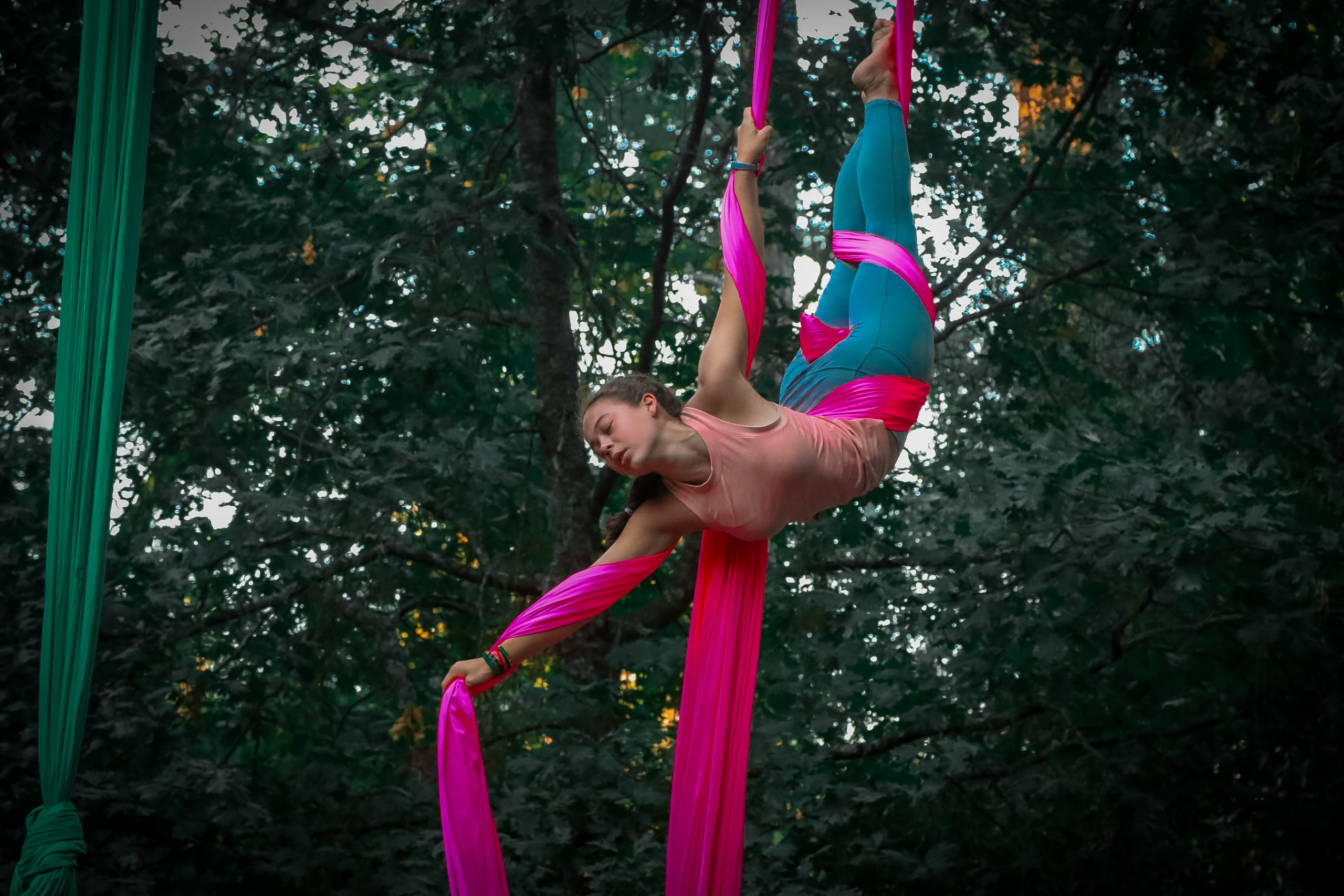
- Closing Campfire (wookie village presentations, aerial performances, fire spinning, closing speech)
- Oakzanita (Oak and Manzi) and Pinedar (Pine and Cedar) Campfires (two-week sessions—vulnerable storytelling across age groups)
- Talent Shows (optional, two-week sessions)
- Storytelling Events (two-week sessions)
These all-camp moments create the sense that “we’re all in this together”—you’re part of something larger than your cabin or village.
The Result: You belong at multiple scales. You have your core 5 cabin mates, your village of 25, and your larger camp community of 150. This nested structure prevents cliques while maintaining intimacy.
Why 60 Staff for 100 Campers
Camp Augusta has approximately 60 staff for 100 campers—a 1:1.5 overall ratio.
This is the highest ratio in summer camping. Most camps: 1:4 or 1:5 overall.
How This Breaks Down:
In Cabins:
- 1:5 ratio (1 counselor per 5 campers)
- Counselor sleeps in cabin, available 24/7
- Similar or slightly worse
In Activities:
- Many clinics: 1:4 to 1:5 ratio
- Specialized activities: 1:2 ratio (Advanced skills)
- Maximum class size: 10 campers (most are smaller)
- Some activities cap at 4-6 campers
In Mentorship:
- Each staff has a senior staff mentor
- Maximum 1:9 staff-to-supervisor ratio
- Frequent check-ins and weekly one-on-ones
- Industry standard: 1:15 or no mentorship system
At Meals:
- Staff sit with campers (not separate “staff table”)
- Every staff member is trained to monitor the staff/camper ratios in dining area
- Staff engage with campers during meals—it’s part of their role
^Check out the way community is modeled in the way we do food.^
What High Ratios Create:
Attention:
- Your counselor isn’t overwhelmed managing 10 kids
- Activity instructors can give real feedback
- You’re noticed when you’re struggling or excelling
Safety:
- More eyes on challenging activities
- Quick response when issues arise
- Better supervision without feeling surveilled
Relationship:
- Staff have mental/emotional space to truly connect
- Mentorship, not just supervision
- Feeling known vs. being managed
Quality:
- Smaller classes mean better instruction
- More practice time per camper
- Individualized feedback and progression
These ratios cost significantly more. We maintain them because we believe children deserve this level of attention and care.
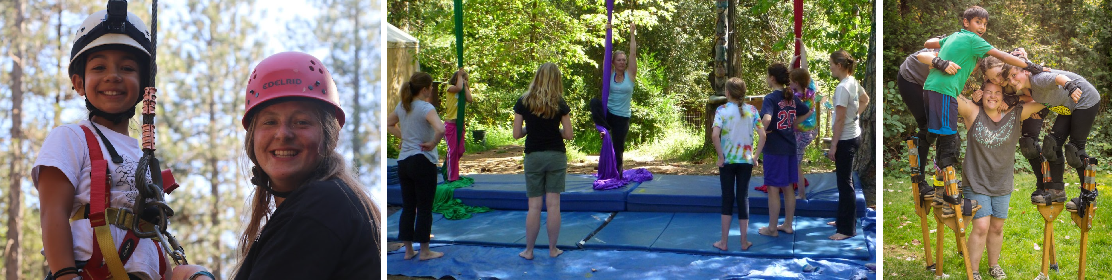
Everyone Contributes, Everyone Belongs
At Augusta, community isn’t something you consume—it’s something you create together.
Daily Contributions:
Cabin Care:
- Campers are responsible for keeping their own cabin clean
- Sweeping, organizing, tidying
- Not because it’s a chore, but because this is your home
Meal Support:
- Washing dishes (we have a system!)
- Composting food scraps (we track and minimize our food waste)
- Wiping tables
Why This Matters: When you contribute to a place, you develop ownership. This isn’t just “a camp I attended”—it’s “our camp that we took care of together.”
Research shows people who contribute to communities feel more invested, more connected, and more responsible for outcomes.
CAPP: Camp Augusta Pride Projects
Once per week (optional but encouraged), cabins choose a service project to improve or beautify camp.
The Philosophy: CAPP isn’t assigned work. Campers choose what matters to them:
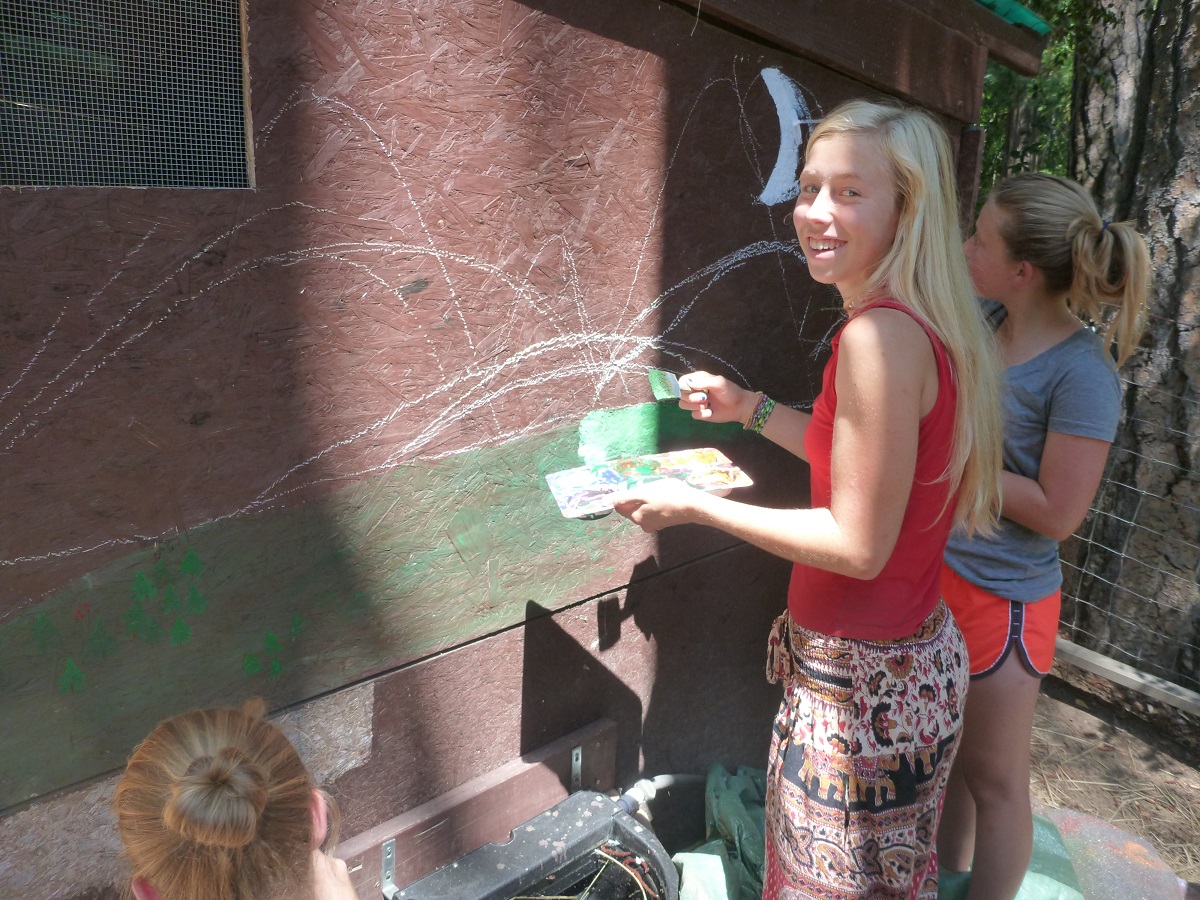
- Paint a bathhouse mural
- Build a new trail
- Make lanterns for the tea pagoda
- Create garden stones
- Weed flower beds
- Build shelves for a cabin
- Design signs for activity areas
Why Choice Matters: Service becomes meaningful when you choose it, not when it’s mandatory. Children learn:
- “My effort makes this place better”
- “I can contribute something valuable”
- “Community thrives when we all pitch in”
Past CAPP Examples: Trail clearing with goats, planting gardens, making bird feeders, building a labyrinth, renovating old structures, creating staff appreciation art, making lanterns for the Cedar Grotto, building swings, painting murals.
Other Ways Campers Contribute:
Performances & Sharing:
- Campers who want to can perform in Evening Programs
- Share songs or skits at campfires
- Teach skills they know in clinics (if staff support it)
- Aerial performances at closing campfire (silks, lyra)
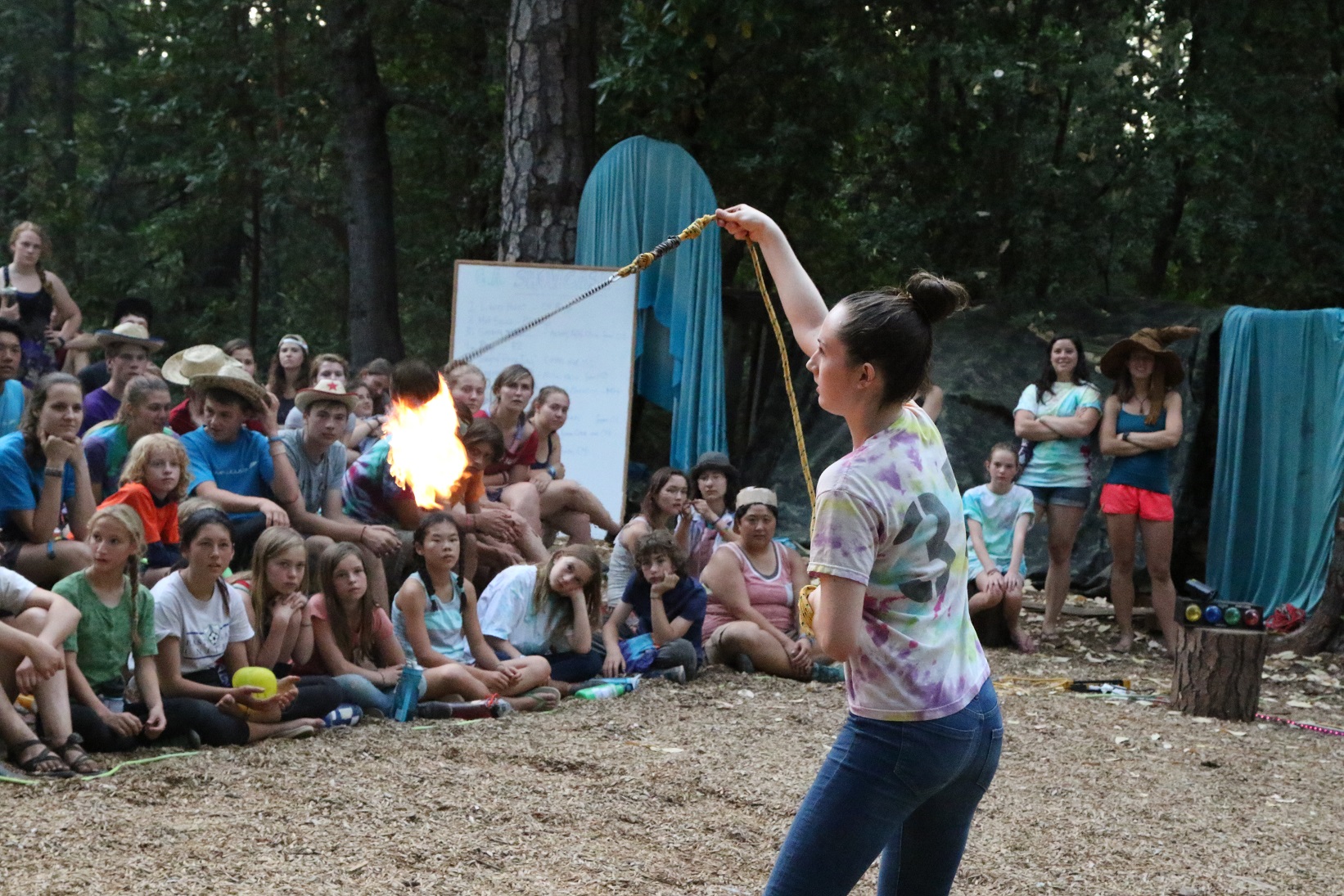
- Fire spinning at closing campfire(if they reach the level)
We meet campers where they are. Want to be involved? We’ll help you. Prefer to participate differently? That’s fine too.
The Takeaway: Camp runs with campers, not just for them. This is your community. You help shape it.
Your Voice Matters
True community means having real input—not just being told how things will be.
For Campers:
Session-End Feedback Forms: Every camper completes a detailed evaluation at the end of their session:
- What did you love?
- What could be better?
- How were your counselors and village leaders?
- What activities do you want to see added?
- Detailed reflections on their experience
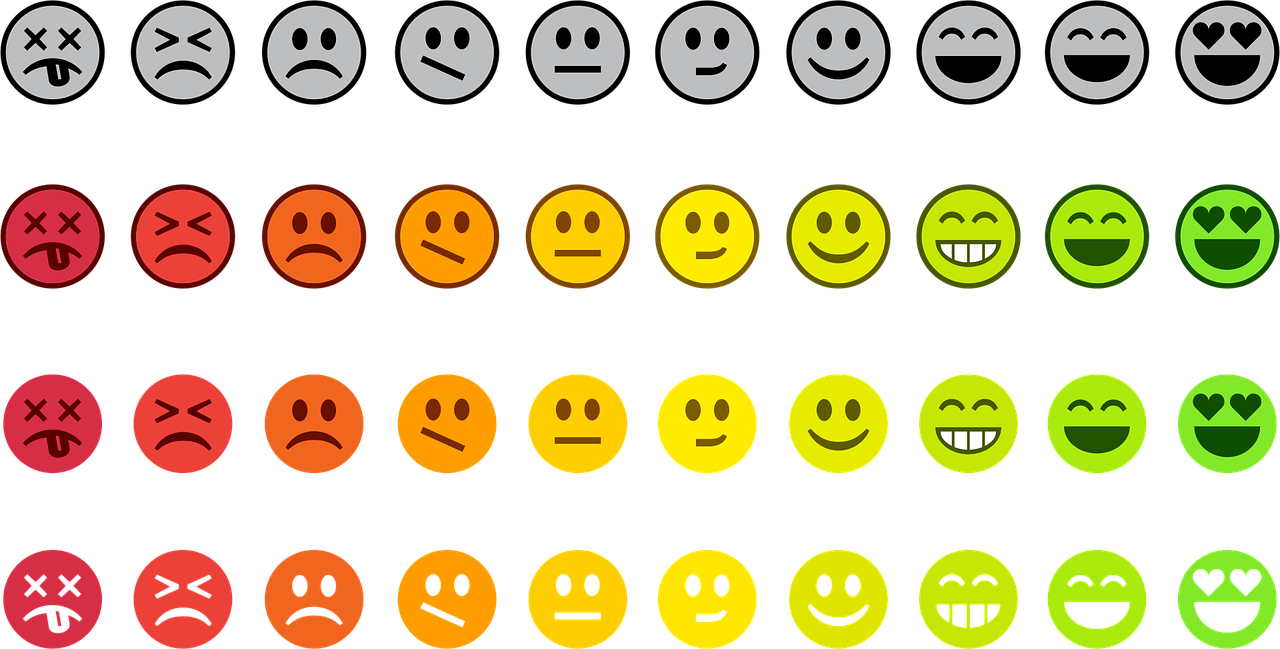
This feedback directly shapes future sessions. Staff read every form. Changes happen based on what campers say.
Suggestion Boxes: Anonymous feedback boxes where campers (and staff) can offer ideas or concerns anytime during the session.
Cabin Voice: Counselors facilitate conversations where cabin members share what they want:
- Cabin activities are driven by “if you could do anything, what would it be?”
- Evening ember topics are built around counselors’ needs
- Cabin culture is co-created
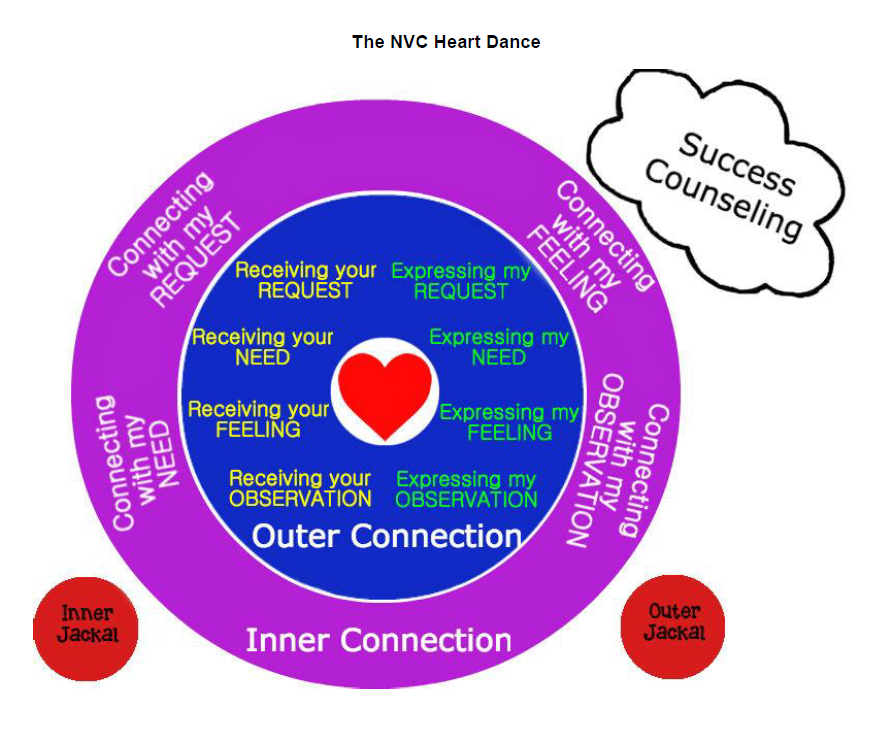
Community Accountability: When conflicts arise, we don’t just impose solutions. We use Success Counseling and other frameworks to help campers think through:
- What happened?
- What do you want the outcome to be?
- How can we get there together?
For Staff:
Sociocracy & Distributed Leadership: Augusta uses an organizational structure of sociocracy—a governance model where decisions are made in appropriate domains (e.g., kitchen decisions by kitchen staff). But first-year counselors can still propose major changes if they steward the idea through the community. We aspire to consensus decision making, and existing consensus stand until a new one is formed.
What this Means:
- Staff own the camp’s direction, not just the director
- Good ideas can come from anyone
- Experience creates leadership opportunity, not hierarchy for hierarchy’s sake
- Innovation is welcomed and supported
Knowledge Management (KM): Every staff member contributes to Augusta’s living documentation:
- What worked? What didn’t?
- New activity ideas
- Refined processes
- Philosophical reflections
This knowledge is stored digitally—”the digital brain of camp”—and accessed by future staff.
The Result: Staff aren’t just employees. They’re co-creators of the community. This “sense of ownership” or “Augusta spirit” is palpable—staff feel personally responsible for what Augusta is and does.
More Than a Job
At most camps, staff are there to work. At Augusta, staff are there to belong.
How Staff Live:
Counselors:
- Sleep in cabins with their 5 campers
- Available 24/7 during session
- Fully immersed in camper life
Non-Counseling Staff:
- Live in shared housing: large yurts, platform tents, tiny houses
- Still eat all meals with campers
- Engage with campers throughout the day
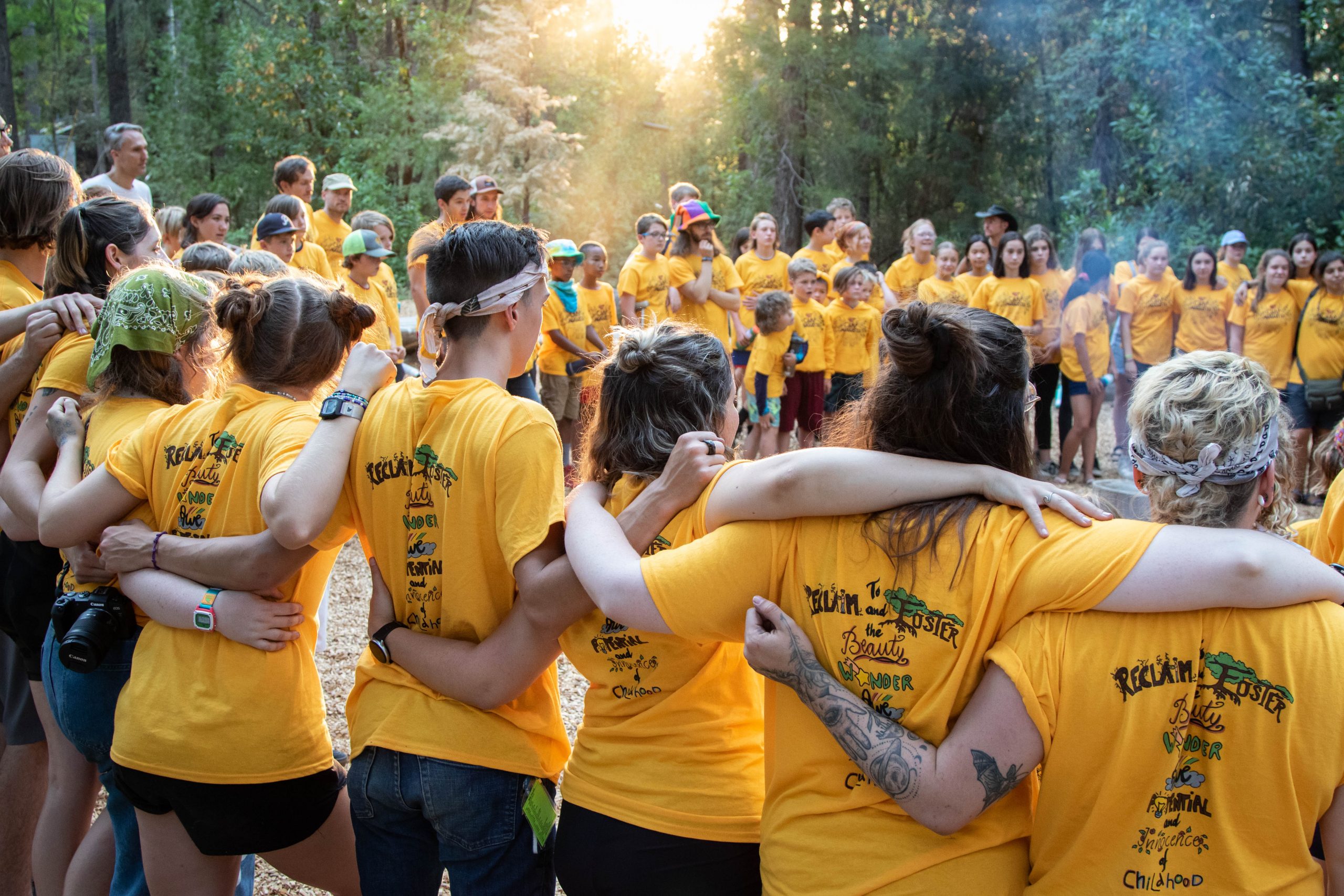
There are no staff only spaces during mealtimes. Each individual staff member monitors the staff/camper ratio as they’re choosing where to eat. Our staff truly care about the campers and human connection/mentorship. Meals are part of that, so staff seek out campers to form new connections, and continue (sometimes years-long) relationships.
Why Staff Are Different Here:
Low Pay + High Commitment = Self-Selection: Augusta pays modestly—this isn’t a lucrative summer job. People don’t work here because they need income for the summer. From the moment they’re introduced to Augusta, staff engage at a deep, communal level. They don’t fill out an application. They share their life story. They don’t have an interview about just skills and child experience. We assess their personality using the Big Five measures, and we look at key seven-domain psychologically derived areas that help us truly know them.
After several interviews and hiring, staff go through 65-75 hours of onboarding (mostly interactive as live discussions or writing). Then they’re present for a 25-day staff training (the longest in the country) which intensely builds connection as well as knowledge and skills. Doing all of that doesn’t create a workplace. It creates community. And our staff select this. We are the community (not just the job) they’re looking for.
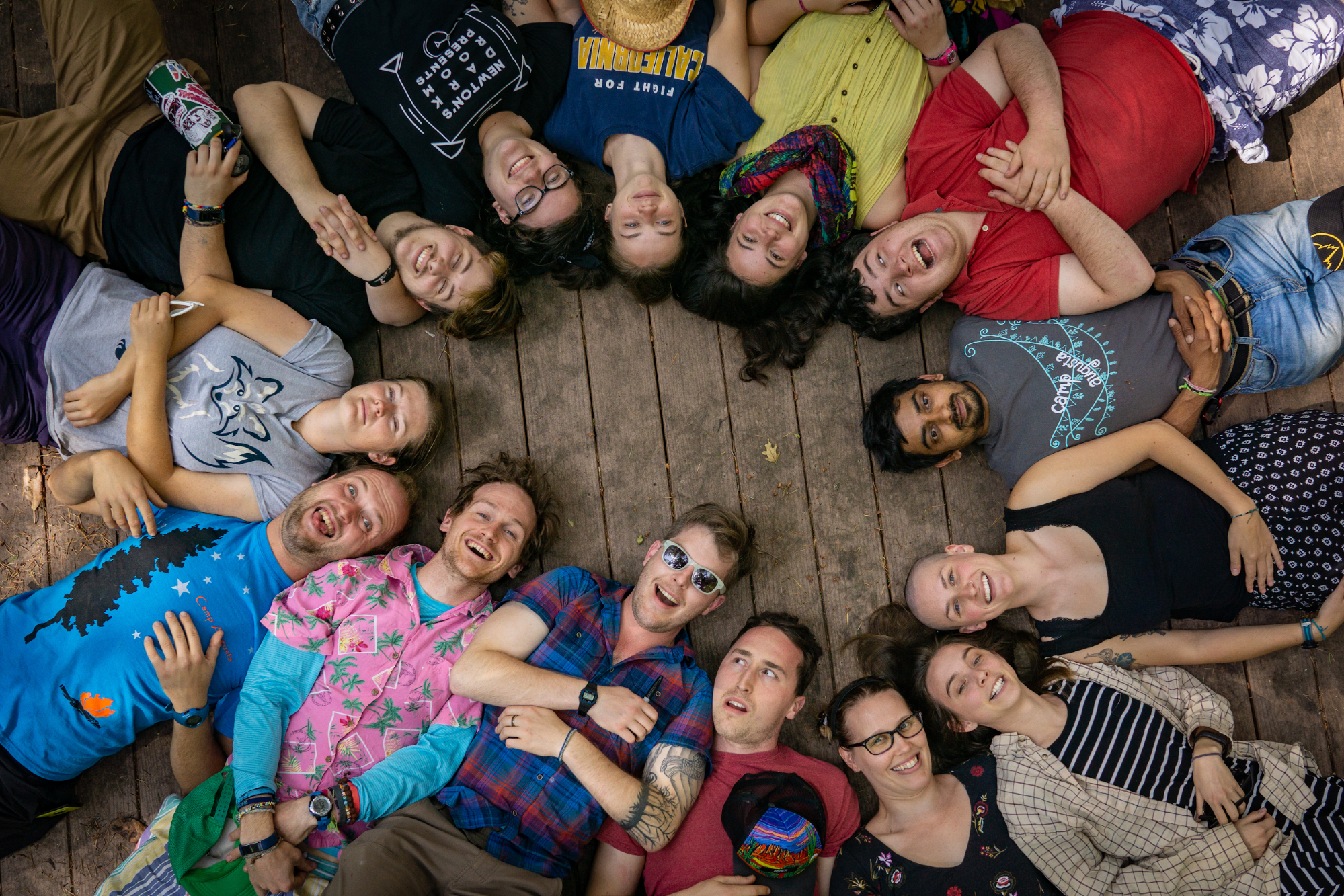
It may be difficult to define objectively, but what Augusta staff uniquely have is crucial: It’s Buy-In, a Sense of Ownership, a ‘Spirit of Augusta.’
It’s the feeling that camp is theirs—not just a place they work, but a community they help create and sustain.
Staff Community Culture:
Staff aren’t just coworkers. They’re friends, mentors to each other, collaborators, and fellow travelers in the journey of life and personal growth.
- 3+ weeks of training builds deep relationships
- Shared meals and living spaces create connection
- Mentorship system provides ongoing support
- Knowledge Management meetings foster collaboration
- Philosophical frameworks (NVC, etc.) create shared language
- Many staff return for 5, 10, even 15+ summers—this becomes their summer family
Many staff return for years—because they’re not just employees. They’re community members.
Growing Through Challenge Together
Conflict is inevitable in any community. What matters is how you handle it. When campers are problematic, staff respond according to 3 different levels:
Level 1 – Gentle Guidance: Small, in-the-moment responses to minor issues:
- Unexpected response to defuse a situation
- Strategic ignoring to avoid escalation
- Quick redirect back to activity
- Many more, all in the staff member’s toolbelt
See all the Level 1’s here.
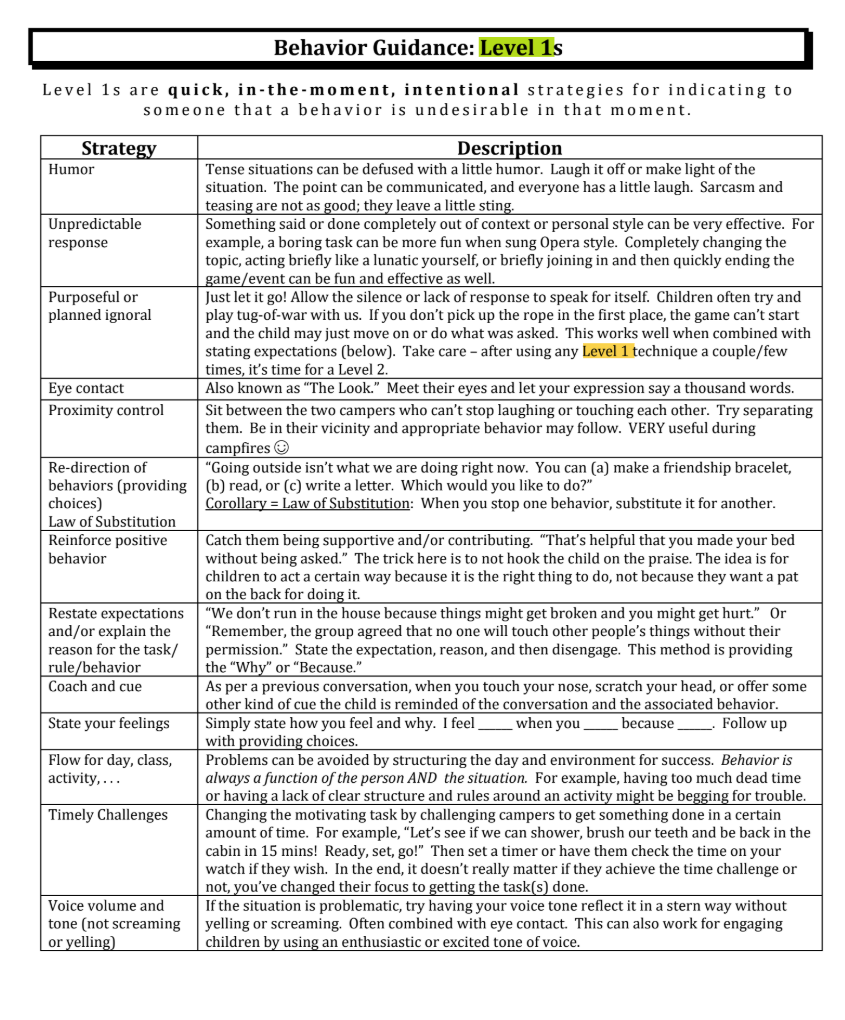
Level 2 – Processing Conversations: When behavior needs deeper attention, staff pull campers aside for one-on-one conversations.
This is where our extensive staff training comes alive:
- RRV (Reflect, Reframe, Validate) for de-escalation
- Success Counseling for values-based guidance
- NVC for needs-based communication
- Helping campers connect actions to who they want to be
99% of conflicts resolve at Level 2. Sometimes this involves village leaders, not just counselors.
Level 3 – Director Involvement: Only in rare, serious situations:
- Behavior that significantly impacts community safety/wellbeing
- Issues that might result in a camper going home early
- Situations requiring the director’s expertise and authority
The Philosophy:
We don’t “set examples” with punishment. We don’t shame or exile.
Instead, we foster maturity through conversation, and help people grow toward their values. We maintain emotional awareness and compassion. We don’t just stop behavior…we repair and grow relationships.
This is community accountability: holding each other (and ourselves) to our shared values while honoring everyone’s humanity.

Moments That Create “We”
Communities are built through shared experiences—especially rituals that mark important transitions.
Opening Ceremony (Day 1):
On the field, all 100 campers meet all 60 staff.
- Every staff member introduces themselves
- Campers see the full community they’re joining
- “These are the people who will walk alongside you”

Opening Campfire (Day 1):
Every single camper:
- Gets up from their seat
- Adds a stick to the fire
- Says their name
- Proclaims something they’re looking forward to
Everyone is seen. Everyone contributes. Everyone has voice from day one.
Meals (Daily):
Not in a loud mess hall—outside under the trees at picnic tables.
- Campers sit with their cabins, but otherwise eating is fluid (not assigned)
- Staff sit with campers
- Conversations, not chaos
- Community gathering, not cafeteria
- We don’t do announcements at mealtimes that can be easily shared in more quiet, intimate ways
- We value peace, connection, and conversation at mealtimes

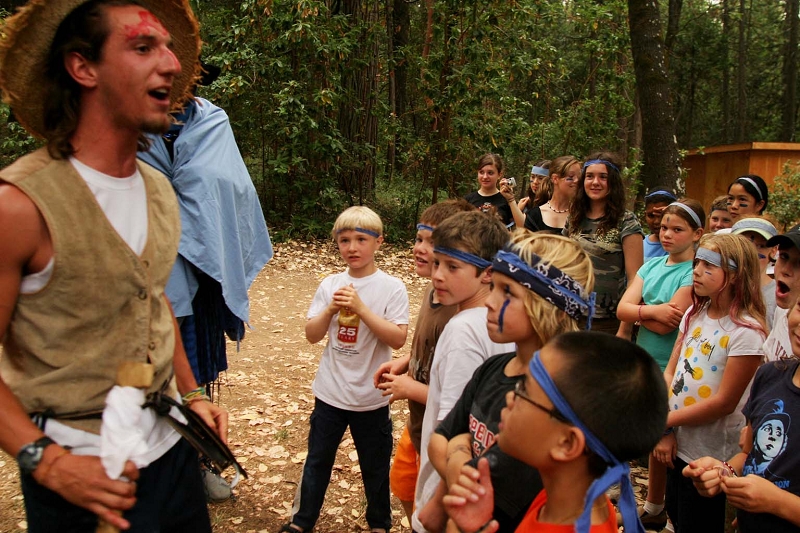
Evening Programs (Nightly):
The whole camp participates in immersive adventures:
- Themed stories with heroes, villains, challenges
- Everyone has a role
- 140 people playing make-believe together
- Shared experience creates inside jokes and memories
Joint Village Campfires (Two-Week Sessions):
Intimate gatherings where:
- Oak and Manzanita come together, as well as Pine and Cendar
- Staff and older campers share vulnerable stories of challenge and growth
- Similar to Evening Embers but larger scale
- Deep connection across age differences
Evening Embers
Embers is where many campers share most deeply:
- Cabins gather nightly for a deep-dive activity, designed by their counselor
- Embers discussions explore vulnerability, hardship, aspirations, and challenge
- Many campers say that this is where they learn and grow the most from camp
- During two-week sessions, there will be one or two all-village embers as well
Closing Campfire (Final Night):
The culmination of the session:
- Villages gather first for wookie presentations
- Whole camp comes together
- Staff member gives carefully prepared, inspirational speech
- Aerial performances (silks, lyra) by campers who trained all session
- Fire spinning by campers who reached advanced levels
- Drumming, singing, celebration
- Songs and skits. We always sing the song Linger, and a non-religious version of Taps at the end, holding hands in a circle around the fire where everyone can see one another
- Saying goodbye to this temporary community
These rituals aren’t just “fun activities.” They’re how we mark time, create shared memory, and build the feeling of “we.”
The Long-Term Impact
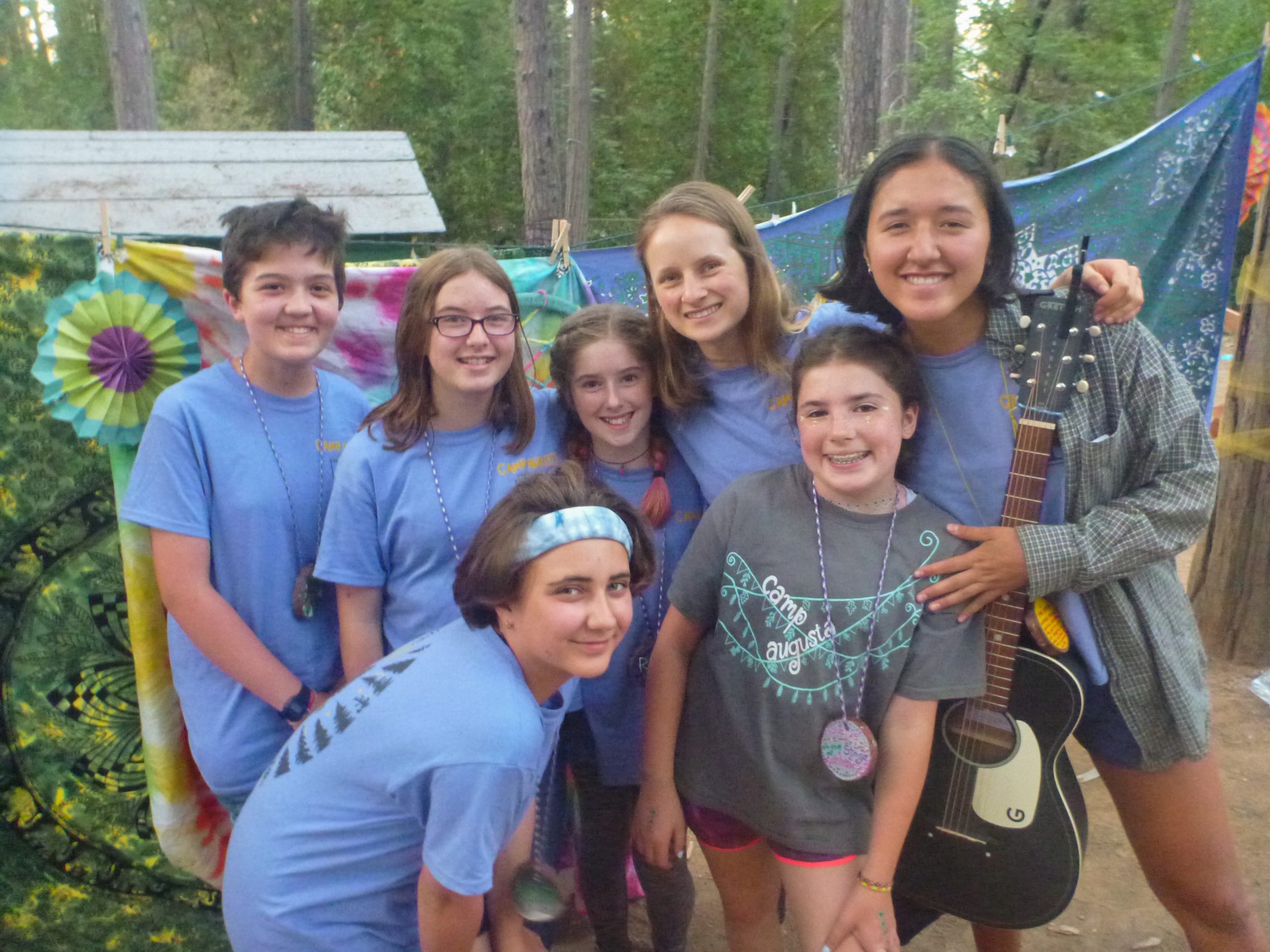
As a society, we rely on community. And that that need is more present than ever. Augustans—both campers and staff—learn how to be participants in society at another level.
Children who experience true community at Augusta learn:
What Belonging Feels Like:
- Being known, not anonymous
- Mattering individually while being part of something larger
- Contributing and being valued for that contribution
How Communities Function:
- Through shared responsibility, not top-down control
- With room for every voice, not just the loudest
- By working through conflict, not avoiding it
- Through care and accountability, not punishment
That They Can Help Create Community:
- Your actions shape the culture
- Your voice influences decisions
- Your contribution makes a difference
- You’re not just a consumer of community—you’re a co-creator
These aren’t abstact lessons. They’re lived, embodied experiences that shape how children grow up in their schools, families, friendships, neighborhoods, and workplaces through the rest of their lives.
In an age of isolation and fragmentation, experiencing real community might be one of camp’s most important gifts.
Community by Design, Belonging by Experience
Camp Augusta’s community isn’t accidental. It’s the result of:
- Intentional size limits (100 campers)
- Exceptional ratios (1:5 in cabins, 1:2-1:5 in activities)
- Nested belonging (cabin → village → whole camp)
- Shared responsibility (CAPP, meals, cabin care)
- Participatory culture (your voice matters)
- Staff who feel ownership (not just employment)
- Rituals that bind (opening to closing)
- Conflict as growth opportunity (not punishment)
This is what true community looks like. This is what Augusta offers.