
The Most Extensively Trained Staff in Camping
At Camp Augusta, we don’t just hire counselors. We cultivate mentors, train leaders, and build a community of people who understand why they’re here and how children grow.
0
Interest Forms Received Annually
of Pre-Camp Onboarding
0
of Residential Staff Training (longest in the nation)
We’re Not Like the Others
Every camp promises “quality staff.” We invite you to examine ours.
Camp Augusta has the most extensive staff hiring and training process of any summer camp in the country. This isn’t hyperbole—it’s measurable. While most camps conduct 3-5 day training sessions, ours lasts over three weeks. While most camps ask for a resume and a short interview, we receive 8-12 pages (often 20+) of written applications and 3.5-4-hours of interviews, 2 being with a PhD psychologist.
Why? Because staff are the camp experience. No matter how beautiful the location or how impressive the activities, it’s the people who mentor your children who make the difference. We invest more in our staff than any camp we know because we believe children deserve adults who are prepared, thoughtful, and deeply committed to their growth.
This page breaks down exactly what makes Augusta staff exceptional: how we select them, how we train them, how we support them, and what this means for your camper.

Finding the Right People
Most camps receive simple applications and resumes. We receive 2,500+ interest forms and 350-450 written applications annually. From these, we hire approximately 40 staff, with an additional 15-20 returning staff.
Our hiring team consists of 5 people, including our PhD director, who collectively spend hundreds of hours reviewing applications and conducting interviews.
What Makes Our Process Different:
Multi-Round Written Applications
- Initial interest form with screening questions
- Round 1: 3-5 pages responding to questions about motivation, growth, philosophy of working with children
- Round 2: 3-5 additional pages with scenario-based questions, self-reflection prompts, leadership experiences
- Total application length: 8-12 pages on average (some exceed 20 pages!)
- We’re looking for depth, authenticity, self-awareness, and thoughtfulness—not polish
Several-Hour Interviews with PhD Director
- Every single staff candidate meets with leadership staff for 1-2 hours, then with Randy (our director and PhD psychologist) for 2+ hours
- These aren’t “tell me about yourself” conversations—they’re developmental assessments
- Discussion of application responses, probing for understanding of child development, exploring values and motivations
- Assessment of emotional intelligence, capacity for reflection, openness to feedback
- This is the most extensive interview process of any camp we know
What We’re Selecting For
- Emotional intelligence and self-awareness
- Genuine care for children’s growth (not just “I like kids”)
- Capacity for reflection and learning
- Alignment with Augusta’s developmental philosophy
- Maturity (minimum age 19, average age higher than most camps)
- Playfulness balanced with responsibility
- Authenticity over performative “camp counselor” energy
- Positions on spectrums of Openness, Conscientiousness, Extraversion, Agreeableness, etc, that fit the mold of camp








Why This Matters
The people who work at Augusta aren’t just college students looking for a summer job. They’re individuals who’ve written deeply about themselves, been assessed by a psychologist, and chosen this work intentionally. By the time training begins, we know our staff well.
70 Hours Before They Arrive
Training doesn’t begin when staff arrive at camp. It begins months earlier.
Before staff set foot on Augusta property, they complete approximately 70 hours of preparatory work:
450+ Pages of Manuals
Staff receive and are expected to thoroughly read:
- Philosophies Manual (~150 pages): NVC, Clean Communication, Success Counseling, 100% Responsibility, Your Storied Life, Conscious Leadership frameworks
- Program Manual (~100 pages): Activity area protocols, safety procedures, leveled systems, challenge by choice
- Operations Manual (~100 pages): Daily schedules, cabin responsibilities, health procedures, crisis protocols
- Additional readings (~100 pages): Child development articles, emotional intelligence frameworks, parenting resources
Video Curriculum
Hours of videos on:
- Child development and developmental psychology
- Emotional intelligence and EQ frameworks
- Augusta’s specific philosophies (Wish/Wonder/Surprise, Anti-Canalization, etc.)
- Behavior guidance approaches (Success Counseling, Level 1/Curbing)
- Communication skills (NVC, Clean Communication, Deep Listening)
- Previous years’ staff training sessions
4-Hour Pre-Arrival Discussion
Before residential training begins, new hires have two 1.5-hour discussions in groups of 3 with senior staff about the manual content:
- Checking comprehension
- Discussing questions and confusions
- Exploring how philosophies apply to specific scenarios
- Beginning to internalize frameworks
Then, each staff member has a 1-hour chat with a mentor about their strengths, challenges, opportunities, and goals.
Want to learn more about the philosophies we study?
Why This Matters
When staff arrive for residential training, they’re not starting from zero. They’ve already engaged deeply with Augusta’s philosophy, methods, and expectations. This allows residential training to focus on practice and application rather than basic information transfer.
3+ Weeks of Intensive, Immersive Preparation
While most camps train for less than one week, Augusta’s residential training lasts over three weeks (about 300 hours altogether)—making it the longest staff training program we know of at any summer camp in the country.
This isn’t just orientation. It’s transformation.
Week 1: Foundations & Philosophy
Focus: Deep dive into Augusta’s models and philosophies
- Philosophy Workshops: Extended sessions on NVC, Success Counseling, Challenge by Choice, Conscious Leadership, 100% Responsibility
- Role-Playing Scenarios: Practicing difficult conversations, conflict resolution, behavior guidance
- Personal Application: Reflecting on staff members’ own stories, growth edges, communication patterns
- Community Building: Getting to know one another, establishing staff culture, creating safety for vulnerability
- Other Training: New counselors are paired with returning staff and learn mentorship practices directly
Example Activities:
- Full-day NVC intensive with role-plays
- Success Counseling practice with real scenarios
- Small group discussions on personal values and boundaries
- Staff sharing circles (modeling what we’ll do with campers)
Week 2: Program & Practice
Focus: Activity areas, safety protocols, program implementation
- Activity Area Training: Every staff member rotates through all major activity areas to understand safety, progression, teaching methods
- Leveled Systems Deep Dive: Understanding archery levels, climbing levels, equestrian levels, etc.
- Scenario Practice: What to do when a camper refuses an activity, gets homesick, has a conflict, gets injured
- Special Programming: Training on Special Wakeups, Evening Programs, Playstation, Cabin Activities, Evening Embers
- Health & Safety: Wilderness First Aid, allergy protocols, emergency procedures
Example Activities:
- Mock clinic rotations with feedback
- Creating sample cabin activities
- Practicing special wakeups on each other
- Emergency drill scenarios
Week 3: Integration & Refinement
Focus: Bringing it all together, role-specific training, final preparations
- Role-Specific Training: Counselors, activity specialists, village leaders each receive targeted training for their roles
- Mock Sessions: Full dry-runs of daily schedules, cabin routines, signup processes
- Feedback Practice: Learning to give and receive constructive feedback using Augusta frameworks
- Mentorship Assignments: Each staff member paired with senior staff mentor (1:9 max ratio)
- Final Scenarios: Complex, realistic situations requiring integration of all training elements
Example Activities:
- Full “day of camp” walkthrough with feedback
- Staff-only “campfire” practicing facilitation skills
- One-on-one mentorship planning conversations
- Community agreements and staff culture refinement
It’s not as cut-and-dry as the above, per se. We mix some of these three elements into every day, to keep it diverse and interesting.
Training Methods:
- Role-playing: Extensive practice with realistic scenarios
- Small group discussions: Processing ideas together, learning from each other
- Personal reflection: Written exercises, self-assessment, goal-setting
- Experiential learning: Doing activities as if we’re campers, then debriefing
- Peer teaching: Staff teaching each other, giving feedback
- Mentorship circles: Regular small-group check-ins with senior staff
- Guest speakers: Occasionally experts on topics like trauma-informed care, LGBTQ+ inclusion
Why 3+ Weeks?
Complex skills require time and practice. You can’t learn NVC in a day. You can’t master Success Counseling in a workshop. Meaningful behavior change—the kind that shows up when you’re tired, triggered, or dealing with the unexpected—requires repeated practice in a supportive environment.
By the time campers arrive, our staff have spent 70+ hours in pre-camp work and 100+ hours in residential training. They’ve practiced difficult conversations dozens of times. They’ve reflected on their own growth edges. They’ve built relationships with their fellow staff. They share a true sense of shared ownership and community over the summer and everyone’s part in it.
They’re ready.
Daily Support Throughout the Summer
Training doesn’t end when campers arrive. It continues every single day through our mentorship system.
Mentorship Structure:
- Every staff member has an assigned senior staff mentor
- Maximum ratio: 1 mentor for every 9 staff (most camps: 1:15)
- Daily check-ins: Brief touchbases to discuss challenges, celebrate wins, offer support
- Biweekly one-on-ones: Longer mentorship conversations (30-60 minutes)
- Real-time coaching: Mentors observe staff in action and offer immediate, constructive feedback
- Wellness support: We have a wellness counselor who is a therapist of LCSW that is dedicated to only the staff, seeing 6 people a day
What Mentors Support:
- Behavior guidance situations (“This camper is really pushing boundaries—how do I respond?”)
- Communication challenges (“I need to have a difficult conversation with my co-counselor”)
- Personal growth edges (“I notice I avoid conflict—can you help me practice?”)
- Skill development (“I want to get better at facilitating embers”)
- Self-care and burnout prevention (“I’m feeling overwhelmed—what should I do?”)
Ongoing Training Elements:
Nightly Knowledge Management (KM) Meetings:
- Senior staff meet nightly to discuss what’s happening at camp
- Identify issues, share solutions, make decisions
- Update systems and protocols in real-time
- Document learnings for future summers
Weekly All-Staff Meetings:
- Full staff gatherings to discuss themes, challenges, celebrations
- Additional training on topics that emerge (e.g., supporting homesick campers, managing cabin dynamics)
- Community building and culture maintenance
Feedback Culture:
- Staff give and receive feedback constantly using Augusta frameworks
- Emphasis on growth, not criticism
- Modeling what we want campers to experience
Why This Matters:
Working with children is challenging. Situations arise that training can’t fully prepare you for. Our mentorship system ensures no staff member is navigating difficulties alone. They have experienced guides, daily support, and a culture that treats mistakes as learning opportunities.
This is why our staff don’t just survive the summer—they thrive and grow, often over multiple summers.
Meet the Augustans

Age & Experience:
- Minimum age: 19 (higher than most camps’ 18)
- Average age: 22-25 (higher than industry average of 19-21)
- Many staff in their late 20s-30s bring professional experience, graduate education, or specialized skills
- Mix of backgrounds: Teachers, social workers, outdoor educators, artists, athletes, grad students, career changers
Returners:
Many of staff return year after year—some for 5, 10, even 15+ summers.
Our return rate differs each year, and is often exceptional in camping. Staff return because:
- They love the community
- They value their own growth and learning
- They see the impact of their work
- They’re invested in Augusta’s mission
Returning staff become village leaders, program directors, and mentors—creating institutional knowledge and continuity that benefits campers immensely.
Radical Transparency:
We are one of the only camps in California—and one of very few nationally—to publish detailed biographies of all staff on our website.
You can read about:
- Where they’re from
- Their education and experience
- What they’re passionate about
- Why they work at Augusta
- What they bring to camp
This level of transparency is rare. We’re proud of our staff and want you to know who’s mentoring your children.
Led by a PhD in Developmental Psychology
Camp Augusta is fortunate to have Dr. Randall Grayson as our director.
Credentials:
- PhD in Social Psychology, with additional concentrations in Developmental and Organizational Psych
- 35 years in camping across 17 different camps
- Ongoing scholarship: Connections to Prescott College, contributions to camping research
Beyond Augusta:
Dr. Grayson maintains a consulting practice helping other camps improve their programs. He created:
- ParentingTuneUp.org: Comprehensive resource for parents on child development, behavior guidance, communication
- AMeaningOfLife.org: Extensive work on meaning, well-being, and human flourishing
- VisionRealization.com: An online resource for helping other camps level up to Augusta excellence
- Multiple frameworks and models now used by camps nationwide
What This Means:
Your children are at a camp led by someone who:
- Deeply understands child development
- Stays current with research and best practices
- Thinks systemically about how camps support growth
- Can train staff in evidence-based approaches
- Has dedicated his career to this work
The 2-hour interviews? The 450-page manual? The sophisticated frameworks? These exist because our director has the expertise to create them—and the commitment to excellence that demands them.
The Staff Difference in Practice
All of this—the hiring, the training, the mentorship, the expertise—translates into concrete benefits for your camper:
When Conflict Arises…
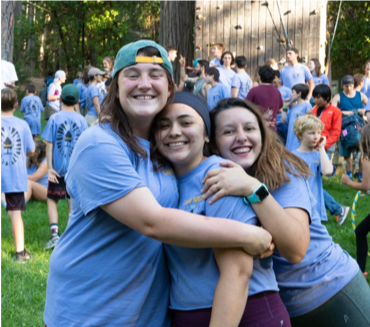
Your camper isn’t with a 19-year-old who says “work it out yourselves.” They’re with a trained mentor who uses Success Counseling to help children understand their needs, express them constructively, and find solutions that work for everyone.
When Homesickness Hits…
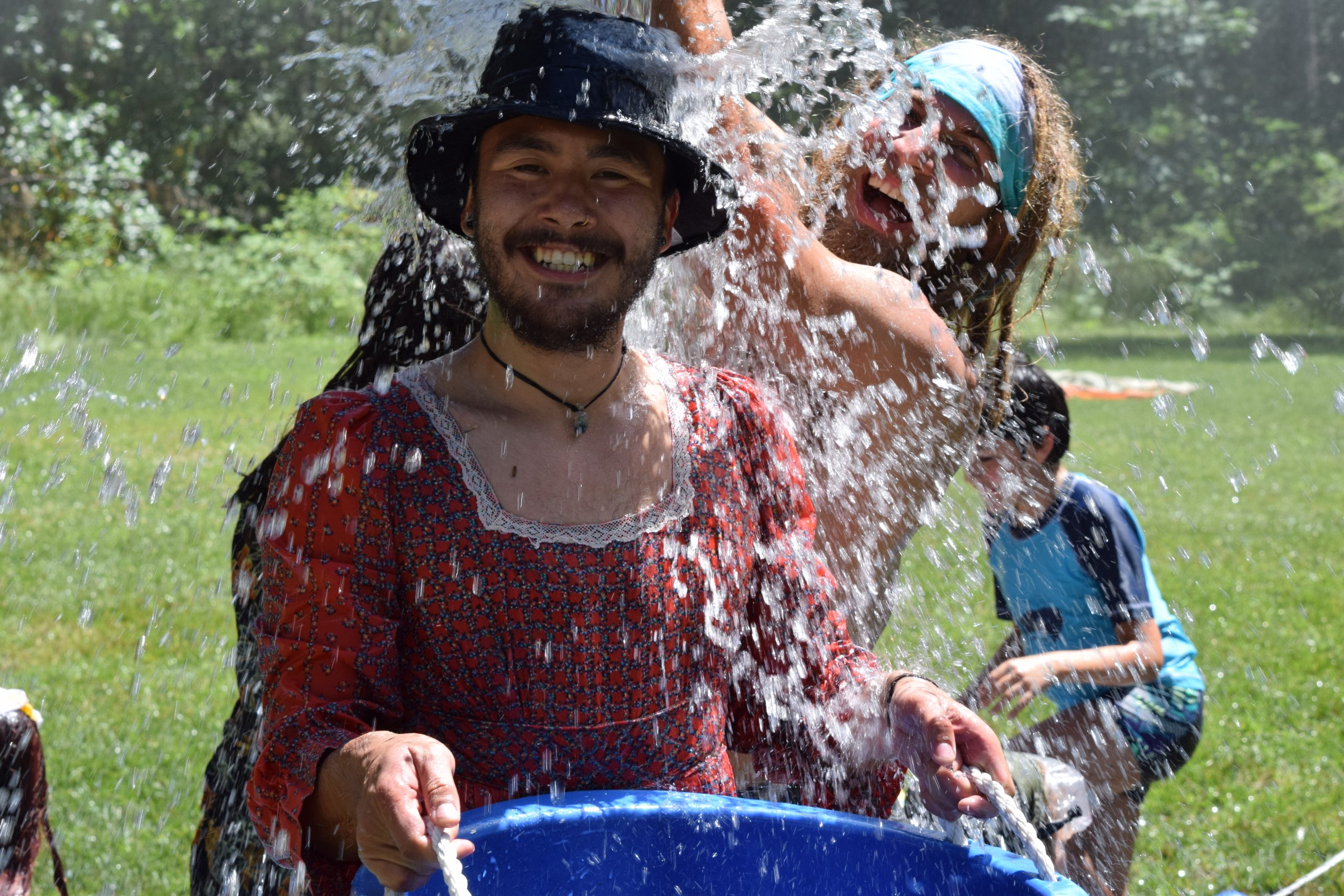
Your camper isn’t with someone who says “you’ll be fine, go play.” They’re with a counselor trained in emotional intelligence who validates their feelings, helps them process emotions, and supports them in building coping strategies.
When They’re Scared to Try Something…
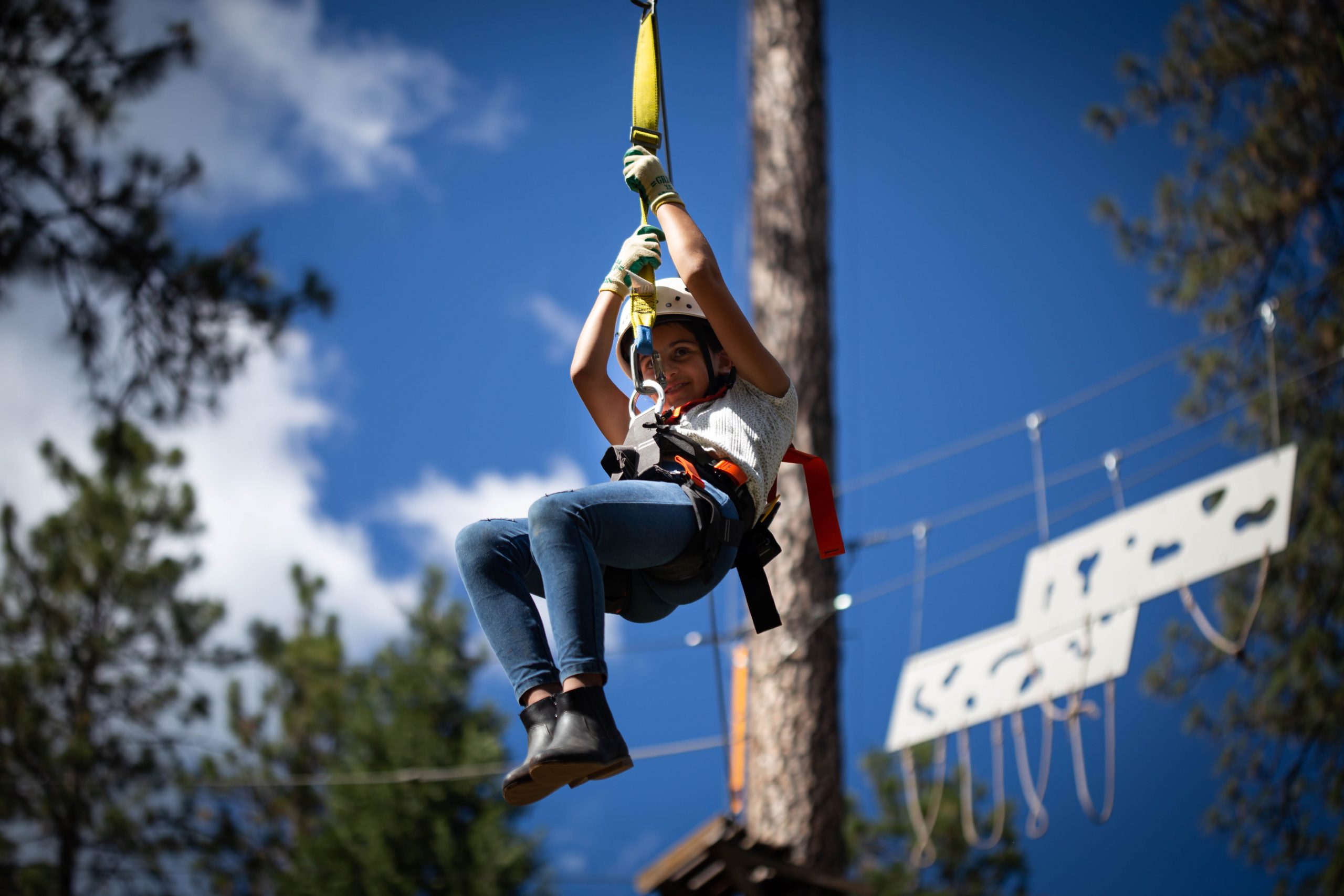
Your camper isn’t pressured or dismissed. They’re with an activity instructor who understands Challenge by Choice, respects their limits, and creates conditions where they feel safe to stretch into their growth zone.
When They Make a Mistake…
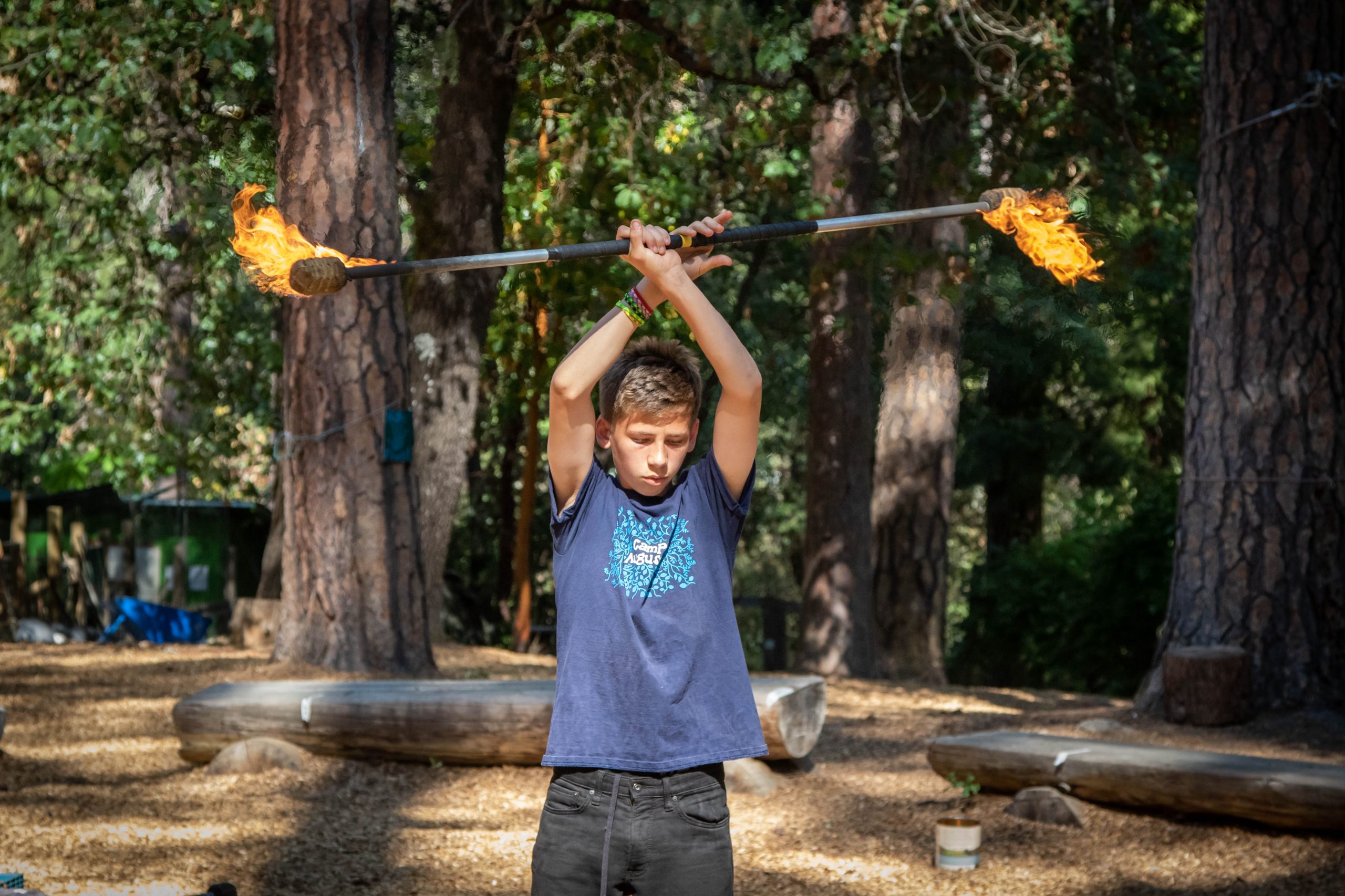
Your camper isn’t punished or shamed. They’re with an adult who uses 100% Responsibility and Values-Based Growth to help them learn from the experience and make different choices.
When They’re Being Themselves…
Your camper is with people who’ve been trained to see them—really see them. To notice their quirks, celebrate their growth, honor their personality. To consider them thoughtfully. To create a painted wookie that captures their essence.

This is what staff excellence creates: an environment where children are known, supported, challenged, and celebrated by adults who are prepared to do this work with skill and care.
How Augusta Compares to Industry Standards
| Element | Industry Standard | Camp Augusta |
|---|---|---|
| Staff Training Length | ~6 days | 3+ weeks (23+ days) |
| Pre-Camp Work | Minimal, 5-7 hours | 70 hours |
| Training Materials | 50-75 pages | 450+ pages |
| Interview Process | 30-60 minutes | 2 hours with PhD, 1-2 hours with staff |
| Staff-to-Supervisor Ratio | 1:15 or none | 1:9 maximum |
| Staff Age | Minimum 18, Average 20-21 | Minimum 19, Average 24 |
| Staff Bios Online | Very rare | All staff, detailed |
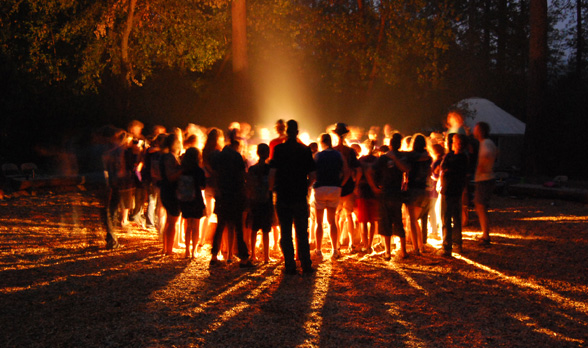
Staff Are the Heart of Camp
The most beautiful location means nothing without people who care. The most impressive activities fall flat without skilled instructors. The best philosophy stays theoretical without trained mentors to bring it to life.
At Camp Augusta, we invest more in our staff than any camp we know because we believe your children deserve nothing less than deeply prepared, thoughtfully selected, continuously supported adults who understand how children grow and are committed to their flourishing.
This is staff excellence. This is Augusta.